Thornton Heath narrow streets removal access solutions
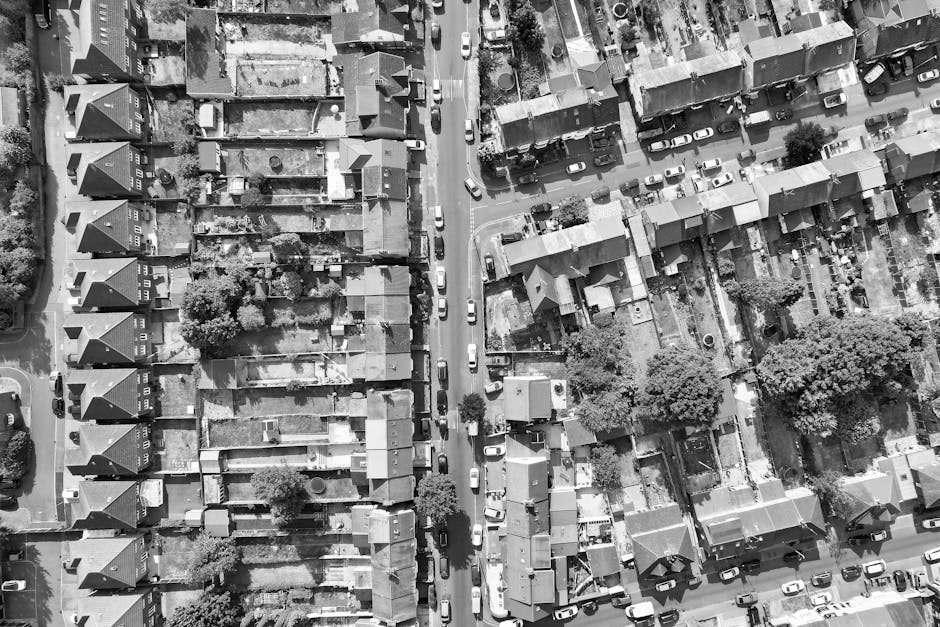
Moving in Thornton Heath can be straightforward on paper and a bit fiddly in real life. The roads are busy, the kerbs can be tight, parking can vanish in a blink, and a full-size vehicle does not always have the luxury of just pulling up outside the front door. That is where Thornton Heath narrow streets removal access solutions matter. They help you plan a move that fits the street, the building, the neighbours, and your time window without turning the day into a long, stressful shuffle of boxes.
This guide walks through what these access solutions actually involve, why they matter on local streets, and how to choose the right approach for a house move, flat move, or small business relocation. You will also find practical steps, common mistakes, a comparison of different methods, and a simple checklist you can use before the van arrives. Let's face it, a little planning here saves a lot of sore arms later.
Why Thornton Heath narrow streets removal access solutions Matters
Thornton Heath has the kind of street layout that rewards preparation. You may have a terraced road with parked cars on both sides, a side street that narrows near the junction, or a block where access is fine for a small van but awkward for a long wheelbase vehicle. On a calm Tuesday morning, that might only be mildly annoying. On moving day, it can slow everything down.
The real issue is not just vehicle size. It is the whole chain of access: where the van can stop, how far items need to be carried, whether stairwells are narrow, whether neighbours need to be kept clear, and whether timing avoids school runs or peak traffic. A good access plan makes the move feel controlled instead of improvised.
In our experience, people often assume the hardest part is lifting the sofa. Often it is not. It is the awkward 20 metres between the front door and the vehicle, the blind corner, the narrow bay, or the place where a delivery van already sits half on the kerb. Small things. Big effect.
That is why access solutions matter so much in local removals. They reduce wasted time, lower the chance of damage, and help keep stress down for you and the crew. They also make the day friendlier for neighbours, which honestly matters more than people think.
How Thornton Heath narrow streets removal access solutions Works
At a practical level, narrow-street removal access is about matching the vehicle, crew, packing method, and timing to the street conditions. The aim is simple: get items from property to vehicle safely and efficiently, even when the road is not especially forgiving.
Here is how it usually works in real life:
- Access is checked in advance using photos, a map view, or a brief call about turning space, parking, steps, and building entry points.
- The vehicle choice is matched to the street so the team does not turn up in something too long or too wide for the location.
- Loading points are planned to keep carrying distances manageable and reduce time spent blocking traffic.
- Items are packed and staged so the heaviest or most awkward pieces come out in the right order.
- Alternative access methods are used if needed, such as smaller shuttling trips, extra hands, or different collection timing.
A useful way to think about it is this: the street is part of the moving process, not just the backdrop. If the road is tight, the route from property to vehicle becomes the operational challenge. That sounds obvious, but people often overlook it until they are standing there with a wardrobe halfway through the hallway and nowhere sensible to set it down.
For some moves, a standard man and van setup is perfectly adequate. For others, especially where there are larger loads or multiple rooms, a broader removal services approach can be more efficient. The right answer depends on street width, vehicle access, and the amount of stuff being moved, not just the postcode.
Key Benefits and Practical Advantages
Done properly, access planning gives you more than convenience. It changes the whole pace of the move.
- Less time lost at the kerb because the crew knows where to park and how to load efficiently.
- Lower risk of damage to furniture, doorframes, stair rails, and the van itself.
- Less physical strain from carrying items too far or repeatedly adjusting routes.
- Better neighbour relations because the move is handled with fewer blocked drives and less disruption.
- Improved safety when items are moved with a clear path and a sensible lifting plan.
- More accurate scheduling because realistic access assumptions reduce the chance of delays.
There is also a calmness factor that is hard to quantify but very real. When you know the street has been planned for, you stop worrying about the van arriving and discovering there is nowhere to stop. You can breathe a bit. The kettle can go on. The day feels manageable.
Expert summary: The best access solution is usually the one that reduces carrying distance, keeps the vehicle legal and safe to position, and fits the street without forcing last-minute improvisation.
If you are comparing moving options, it can help to think not only about price but about how the team will handle the site itself. A well-organised provider with sensible access planning can often save time on the day, which is worth something in its own right.
Who This Is For and When It Makes Sense
Narrow-street access solutions are useful for more people than you might expect. They are not just for difficult roads or large houses. In Thornton Heath, they can make sense for all sorts of situations.
- Home movers on terraced streets where parking is limited and front access is tight.
- Flat movers where stair access, shared entrances, or limited loading space add complexity.
- Families moving bulky furniture such as wardrobes, beds, sofas, and appliances.
- Small businesses relocating stock or equipment from compact commercial premises.
- Older properties with narrow hallways, steep steps, or awkward corners.
- People needing same-day or short-notice moves where there is little room for error.
It makes particular sense when the street is busy enough that a long stop would be inconvenient, or when the property layout means items cannot simply be walked straight out and onto the van. If your first thought is, "We can probably just wing it," that is usually the moment to slow down and plan properly.
To be fair, some moves are easier than they look. A small flat with good timing and a compact vehicle can go smoothly even on a narrow road. Other moves look fine until the sofa reaches the hallway corner and reality says hello. Planning is the difference.
Step-by-Step Guidance
If you want a move to go smoothly on a narrow Thornton Heath street, use a simple process. Nothing fancy. Just a clear sequence.
- Measure the obvious pinch points. Check gate widths, hallway corners, stair turns, and the width of the parking space or loading point.
- Take photos from the street. A quick set of pictures often shows what words miss: parked cars, corners, bollards, low walls, or tight bends.
- List the awkward items. Sofas, mattresses, fridges, desks, and pianos need more thought than boxes of books.
- Choose the right vehicle size. Small or medium vehicles can be a better fit where a larger lorry would struggle to position safely.
- Plan the loading order. Keep the biggest and heaviest items accessible so they do not get trapped behind smaller boxes.
- Set a realistic time window. Early morning can be better on some streets, but local patterns vary. School runs, commuters, and market-day traffic all matter.
- Protect entry points. Use covers, blankets, and careful handling around doors, skirting boards, and shared hallways.
- Confirm the fallback plan. If the van cannot stop exactly where hoped, know the next best option before moving day begins.
A helpful question to ask yourself is: what would happen if the ideal parking spot were already taken? If the answer is "we would probably panic for ten minutes," then the plan needs tightening. Better to know now than discover it with the doors open and a sofa in the hallway.
Expert Tips for Better Results
Small adjustments can make a surprisingly large difference. These are the sorts of details that tend to separate a smooth job from a frustrating one.
- Use smaller load batches when the street is especially tight. More trips can be better than one awkward overreach.
- Protect the route first by clearing loose rugs, shoes, and clutter from the path out of the property.
- Keep parking communication simple if neighbours or building managers need to know what is happening.
- Do the awkward item first. If the biggest object fits, the rest usually feel easy.
- Label fragile items clearly so they are not squeezed into a rushed carry at the end of the job.
- Think vertically as well as horizontally; narrow streets are one problem, but tight stairwells are the next one waiting.
One practical tip that gets overlooked: keep one clear path from the front door to the exit, even if the rest of the home is in boxes. It sounds obvious, but when the hour gets late and everyone is tired, clutter creeps back in. Then someone has to step over a lamp, and nobody wants that.
Also, if your move includes bulky furniture or a single large item, consider whether a dedicated furniture pick-up style service may help with the awkward pieces before or after the main move. That can reduce pressure on the main day, especially in homes with awkward access.
Common Mistakes to Avoid
Most access problems are not mysterious. They are usually caused by one of a few repeated mistakes.
- Assuming the van will "just fit". Streets can look wider in daylight than they actually are once parked cars appear.
- Not checking turning space. Getting into the road is one thing; getting back out again is another.
- Forgetting internal bottlenecks. A narrow hallway or sharp turn can matter more than the street itself.
- Underestimating carrying distance. Forty extra metres does not sound like much until you do it ten times.
- Leaving parking decisions to the last minute. That is where stress starts.
- Skipping the backup plan. If the preferred loading point is blocked, the job should still have a workable second route.
Another common mistake is focusing only on the quote and not on the access discussion. Two services can look similar on price, but one may have already thought about the realities of a narrow road while the other is still imagining a driveway that does not exist. That difference shows up fast on the day.
Truth be told, a move can go wrong in very ordinary ways. A neighbour parks in the only sensible space. Someone forgets about a bike lock across the path. The box room turns out to be a box maze. None of it is dramatic. It is just movement, friction, time. The good news? Most of it is preventable.
Tools, Resources and Recommendations
You do not need specialist gear to plan a narrow-street move well, but a few tools make life easier.
- Phone photos and video of the street, entrance, stairwell, and key pinch points.
- Simple measurements of large furniture, doors, and hallway turns.
- Basic packing materials such as strong boxes, tape, wraps, and furniture blankets.
- Labels and markers to identify fragile, heavy, or priority items.
- A short written access note covering parking, entry instructions, floor level, and any restrictions.
For many households, a well-organised packing and unpacking services option can reduce stress before the move and speed up unloading later. It is especially useful when access is tight, because properly packed items are quicker to move and less likely to snag on doorways.
If you are comparing providers, a clear pricing and quotes page can help you understand what is included and what may change if access is particularly awkward. That matters. Very much so, actually.
Other useful pages to review include insurance and safety information, as well as the company's health and safety policy. These are the sorts of details that show whether a provider treats access issues as a routine part of the job or as an afterthought.
Law, Compliance, Standards, or Best Practice
For narrow-street removals, compliance is mostly about practical best practice rather than drama. You want to avoid blocking traffic, creating unsafe lifting situations, or damaging property. In the UK, that means paying attention to safe parking, safe loading, and sensible manual handling. It also means respecting building rules, private access arrangements, and local restrictions where they apply.
If a move involves shared access, flats, or commercial premises, it is wise to confirm any building management requirements in advance. Lift booking, loading bay windows, and key collection times can all affect how the move runs. It may feel fussy beforehand, but on the day it saves everyone a headache.
Manual handling is another area where common sense matters. Heavy items should be assessed before lifting, and awkward loads should be shared or moved with proper equipment where possible. If a route is too tight for a safe carry, forcing it is not a clever shortcut. It is just a bad idea in a neat coat.
Good operators will usually be transparent about what they can and cannot do safely on a narrow street. That honesty is a strength, not a weakness. It is better to hear, "We need to use a smaller van or split the load," than to discover the limitation halfway through the job.
Options, Methods, or Comparison Table
There is more than one way to handle access on a tight Thornton Heath street. The best method depends on the property, the load, and the road conditions.
| Method | Best for | Advantages | Trade-offs |
|---|---|---|---|
| Small van direct access | Light to medium moves with limited parking space | Easier to park, simpler on tight roads, usually quicker to position | Less capacity, may need careful load planning |
| Medium van with staged loading | Average home moves with some access constraints | Good balance of capacity and manoeuvrability | May still struggle on the tightest streets |
| Shuttle or split-load method | Very narrow roads or awkward parking conditions | Flexible and safer when one vehicle cannot stop close enough | Can take longer and needs stronger organisation |
| Extra-handling support | Bulky items, stairs, or long carry distances | Reduces strain and speeds up awkward moves | More people involved, so scheduling matters more |
For many local moves, the sweet spot is not "the biggest van available." It is the van that can actually work with the street. Bigger is not always better. Sometimes it is just bigger, and that is a different thing entirely.
Case Study or Real-World Example
A typical Thornton Heath scenario might look like this: a two-bedroom flat on a narrow residential road, with parking spaces already taken by neighbours and a stairwell that bends sharply at the half-landing. The household has a sofa, bed frames, a washing machine, and a stack of boxes. Nothing unusual. But the access is not generous.
Instead of sending a large vehicle and hoping for the best, the move is planned with a smaller van, an early start, and clear staging inside the property. The heaviest items are brought down first while the hallway is still clear. The van is positioned where it can stop safely without blocking a turning point. Fragile boxes are loaded last, so they are not crushed under heavier items.
The result is not magic. It is simply control. Fewer pauses. Less backtracking. Less "wait, where can we put this for a second?" And because the route was thought through beforehand, the move feels smoother even though the street itself is still narrow and a little awkward. That is usually the reality: the street does not change, but the experience does.
Sometimes the biggest win is avoiding one bad decision. One oversized vehicle, one poor parking choice, one forgotten stair turn, and the whole day starts to wobble. Good access planning keeps the wobble small.
Practical Checklist
Use this before moving day. It is simple, but genuinely useful.
- Measure front door, hallway, stair turns, and any narrow internal corners.
- Take photos of the street and the best available parking or stopping point.
- Identify the largest and heaviest items in advance.
- Confirm whether a small, medium, or split-load approach is more suitable.
- Check if there are parking restrictions, time windows, or permit-related issues.
- Tell the moving team about steps, steep gradients, shared entrances, or awkward access.
- Keep the carrying route clear of shoes, bins, bikes, and loose clutter.
- Protect walls, doors, and bannisters on any tight internal route.
- Prepare a backup parking or loading option in case the first choice is unavailable.
- Keep essential items separate so they are easy to reach at the end of the move.
Quick takeaway: if you can answer where the van will stop, how the heaviest item will get out, and what happens if the first parking spot is taken, you are already ahead of most moving-day problems.
For many readers, the next step is simply getting a clear quote and a straight answer about access. If you want a move that feels calm rather than chaotic, ask about vehicle choice, loading distance, and whether the team has handled tight residential streets before. That conversation alone tells you a lot.
Get a free quote today and see how much you can save.
Conclusion
Thornton Heath narrow streets removal access solutions are really about turning a tricky street into a workable plan. When you match the vehicle, timing, carrying route, and packing method to the reality on the ground, the whole move becomes easier to manage. Not perfect. Just better, calmer, and more predictable.
The best moves usually do not happen by chance. They happen because someone thought about the road before the van arrived. A small bit of care upfront can spare you a lot of strain later, and that is worth doing properly. Honestly, it makes all the difference.
If your street feels awkward now, that does not mean the move will be difficult. It just means it needs the right approach. And with the right approach, even a tight Thornton Heath road can be handled well.
Frequently Asked Questions
What are Thornton Heath narrow streets removal access solutions?
They are practical moving methods designed to help removals work on narrow roads, tight parking areas, and awkward property access points in Thornton Heath. The focus is on safe stopping, efficient loading, and reducing carrying distance.
Do I need a small van for a narrow street move?
Not always, but smaller vehicles are often easier to position on tight roads. The right choice depends on the size of the load, turning space, and whether you need direct access or a shuttle-style approach.
How do I know if my street is too tight for a removal van?
If parked cars, bends, kerbs, or junctions leave very little room to stop safely, the street may be better suited to a smaller van or split-load plan. Photos and a quick site check usually make this clear.
What should I tell the removals team before moving day?
Tell them about parking restrictions, narrow gates, steps, shared entrances, steep hills, low walls, awkward corners, and any large items. The more accurate the access details, the better the plan.
Can removals still work if the van cannot park right outside?
Yes. It may just take longer and need a different method, such as a shorter carry, a smaller vehicle, or a shuttle arrangement. Good planning matters more than perfect parking.
Are narrow-street moves more expensive?
They can be, especially if extra time, additional handling, or a different vehicle size is needed. That said, a well-planned narrow-street move can still be efficient and good value when access is discussed early.
What items are hardest to move on tight Thornton Heath roads?
Large sofas, wardrobes, fridges, washing machines, mattresses, and bulky office furniture tend to create the most access challenges. Anything heavy and awkward is worth flagging early.
How can I reduce delays on moving day?
Clear the hallway, measure key spaces, confirm parking in advance, label boxes well, and keep a backup stopping plan. A few minutes of preparation can save a lot of waiting later.
Do I need packing help for a narrow access move?
It is often useful. Well-packed items are quicker to carry and less likely to snag in narrow doorways or stairwells. If the move is complex, packing support can make a noticeable difference.
What if my building has shared access or a managed entrance?
Check the rules before moving day. Lift booking, access times, and loading arrangements can affect the whole plan. It is much easier to sort these details early than to argue with a locked door later.
How far in advance should I arrange a narrow-street removal?
As early as you can, especially if parking is limited or your move falls on a busy day. Earlier booking gives you more room to discuss access and choose the right vehicle or service setup.
What is the main benefit of planning access properly?
The main benefit is control. You reduce stress, lower the risk of damage, and make the move more efficient. That often matters more than anything else on the day.